

Diarrhea can quickly turn a Phuket holiday into a search for the nearest bathroom. Knowing what to drink, what to eat and when to get medical help can make the next steps clearer.
At Phuket Family Health Care Center & Longevity Institute, we help visitors and residents manage stomach upset with practical advice and medical assessment when needed. This guide explains diarrhea treatment in Phuket, from home care to clinic support.
Is It Common to Get Diarrhea in Thailand?
Yes. Diarrhea is a common travel-related illness in Thailand, sometimes called “Thai tummy” or “traveller’s diarrhoea.” It often follows exposure to contaminated food or water. Many mild episodes improve with fluids and rest, but blood in the stool, fever or dehydration needs medical attention.
Not every upset stomach is an infection. Unfamiliar meals, food intolerances and medication can also affect your bowels. We look at your symptoms and recent history rather than assuming your last meal was responsible.
What Causes Diarrhea in Phuket?
Bacteria, viruses and parasites can reach the gut through contaminated food, drinks, hands or surfaces. The setting alone does not tell you whether a meal is safe; handling, cooking and storage matter.
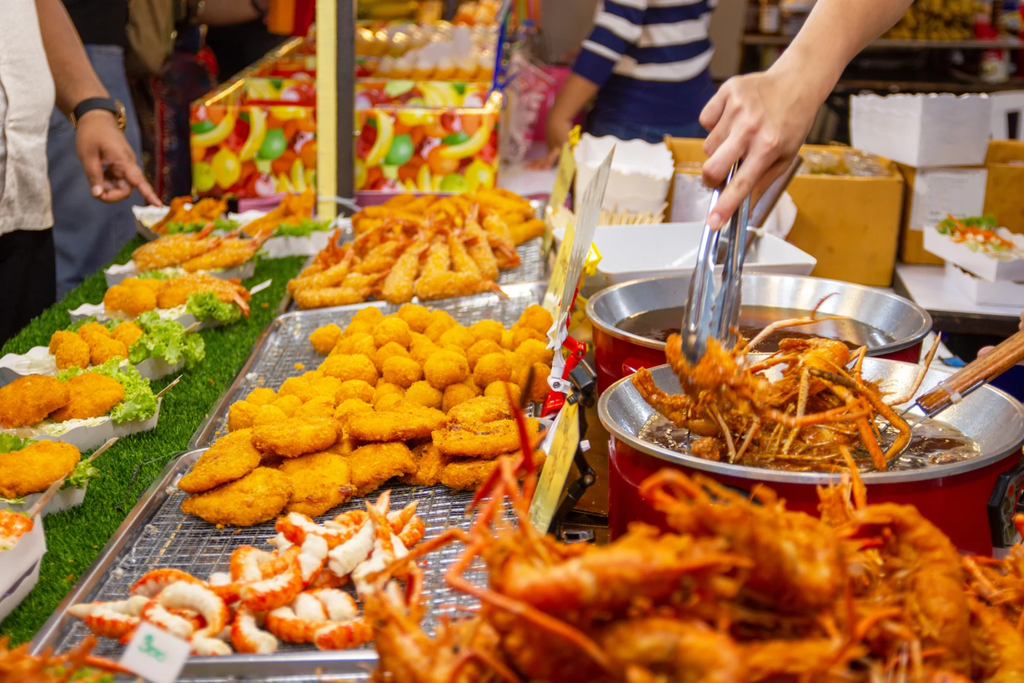
- Street food and buffets: Food cooked thoroughly and served hot is a safer choice than dishes sitting at room temperature. Cross-contamination can occur at restaurants as well as stalls.
- Water and ice: Untreated water and ice made or handled unsafely can carry germs. Ice is not automatically unsafe, but its water source and hygiene matter.
- Seafood: Raw or undercooked shellfish and seafood kept without adequate refrigeration can cause illness. Fresh appearance does not guarantee safety.
- Heat and dehydration: Hot weather increases fluid loss through sweating. Heat is not the usual cause of infectious diarrhea, but it can worsen dehydration once diarrhea starts.
- Alcohol and rich meals: Alcohol can irritate the gut, while large, fatty or spicy meals may worsen symptoms in sensitive people.
For diarrhea after travel, we also ask about sick companions, recent antibiotics and existing digestive conditions. These details help us decide whether you need examination or testing.
Food Poisoning vs Stomach Flu vs Traveler’s Diarrhea
These terms overlap. Food poisoning describes illness acquired through food, stomach flu usually means viral gastroenteritis, and traveler’s diarrhea describes diarrhea during travel. One episode can fit more than one description.
| Condition | What it means | Typical pattern |
| Food poisoning | Illness from contaminated food, caused by germs or toxins. | Nausea, vomiting, cramps or diarrhea; onset ranges from hours to days. |
| Stomach flu | Viral gastroenteritis, often norovirus; unrelated to influenza. | Vomiting and watery diarrhea; norovirus commonly improves in 1–3 days. |
| Traveler’s diarrhea | Diarrhea acquired during travel, commonly from contaminated food or water. | Loose stools, urgency and cramps; bacteria, viruses or parasites may be responsible. |
Timing is a clue, not a diagnosis. The CDC’s food poisoning guidance explains that different germs cause symptoms at different times. Symptoms alone cannot reliably identify the organism.
How Long Does Traveler’s Diarrhea Last?
The duration depends on the cause. Viral diarrhea often improves within two to three days, while untreated bacterial traveler’s diarrhea commonly lasts three to seven days. Some parasitic infections can continue for weeks without appropriate treatment.
Do not use these ranges as a reason to wait through worsening symptoms. If you are not clearly improving within 48 to 72 hours, arrange an assessment. Seek care sooner for warning signs or if you are in a higher-risk group.
Diarrhea lasting two weeks or longer needs investigation. Our medical laboratory services include stool examination when indicated, helping us investigate ongoing symptoms rather than repeatedly treating an assumed cause.
How to Treat Diarrhea at Home
Start with oral rehydration salts
Replacing fluid and salts is the priority. Ask a pharmacy for oral rehydration salts, or ORS, intended for diarrhea. Mix each sachet with exactly the amount of safe water stated on its packet. Do not make it stronger or add extra sugar.
Take frequent small sips, particularly if you feel nauseated, and continue replacing losses after loose stools. Water can support hydration, but ORS replaces electrolytes as well. Very sugary drinks may worsen diarrhea; sports drinks are not equivalent to a diarrhea-specific ORS.
If you have kidney or heart disease, diabetes, or a prescribed fluid restriction, ask a clinician about suitable fluids and amounts. NIDDK’s diarrhea treatment advice also highlights individual hydration needs.
Eat small meals as tolerated
You do not need to fast. Try small portions of foods you can comfortably manage, such as rice, toast, bananas, potatoes or freshly prepared soup. Gradually return to your normal balanced diet as your appetite improves.
Temporarily avoid alcohol, large fatty meals and foods that clearly worsen symptoms. Milk may cause extra bloating or loose stools for some people after a gut infection. Keep breastfeeding infants and seek age-specific advice for children rather than imposing a restrictive adult diet.
Use symptom medicines carefully
An antidiarrheal medicine may temporarily reduce urgency in some adults, but it does not replace fluids or identify the cause. Ask a pharmacist or doctor whether it is appropriate. Avoid self-treating with these medicines if you have bloody diarrhea or fever, and do not give them to children without medical advice.
Rest somewhere cool and postpone strenuous activities. If you cannot keep fluids down or are becoming weaker despite drinking, home care may no longer be enough.
When to See a Doctor
Arrange prompt medical care for the following symptoms or situations. You do not need to wait for several days if you feel significantly unwell.
- Blood in your stool, or black, tarry stools.
- High fever, especially around 39°C or above, or fever with worsening symptoms.
- Dehydration signs such as very little urine, dark urine, marked thirst, dry mouth or dizziness when standing.
- Repeated vomiting prevents you from keeping fluids down.
- Severe, persistent or worsening abdominal pain.
- Diarrhea that is not improving after 48 to 72 hours, or keeps returning.
- Diarrhea in a baby or young child, an older adult, or someone who is pregnant, immunocompromised or has a significant medical condition; seek advice earlier.
Confusion, fainting, extreme drowsiness or severe weakness can signal a medical emergency. Seek emergency care immediately rather than waiting for a routine appointment or hotel visit. In children, fewer wet nappies, absent tears or unusual sleepiness also need urgent attention.
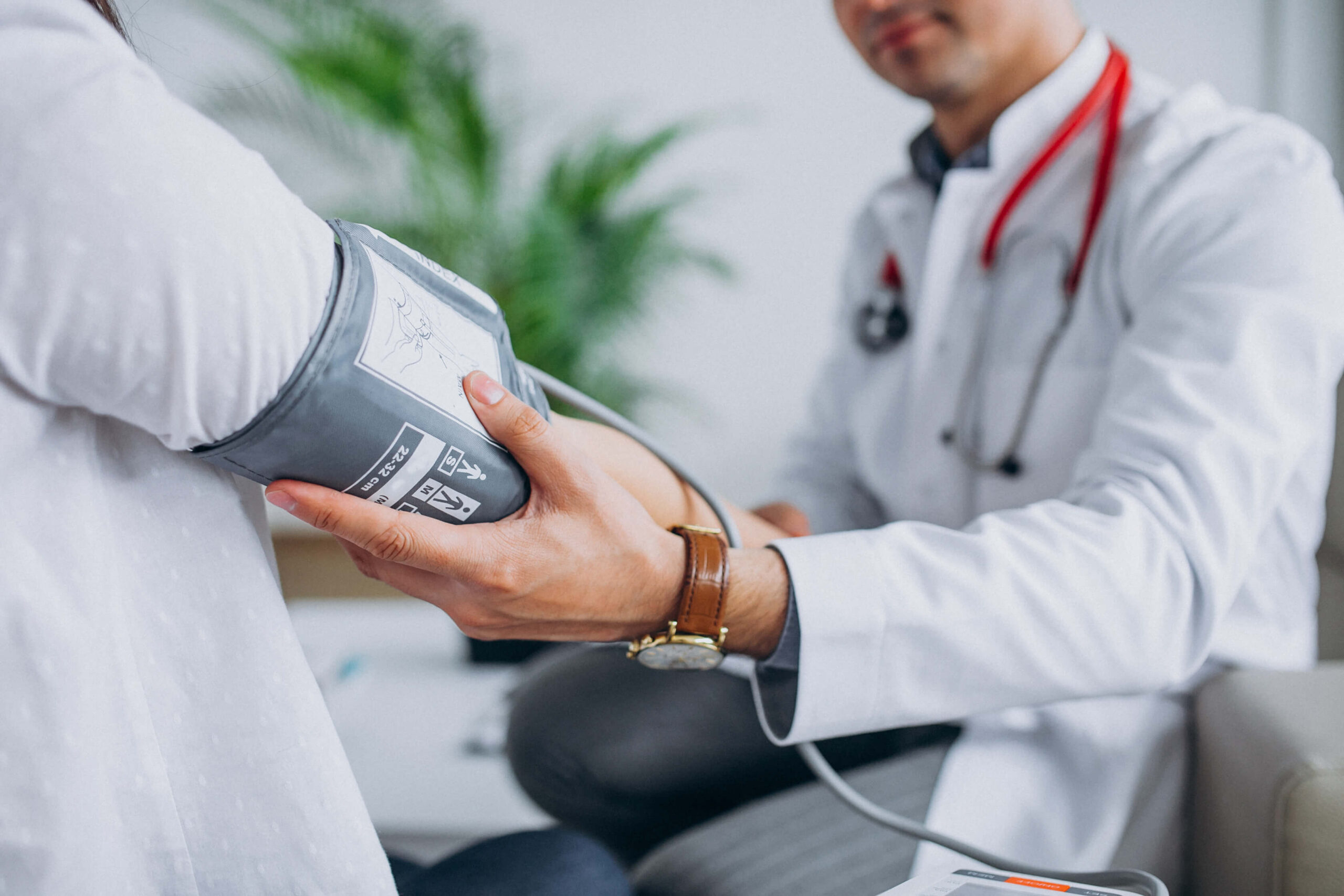
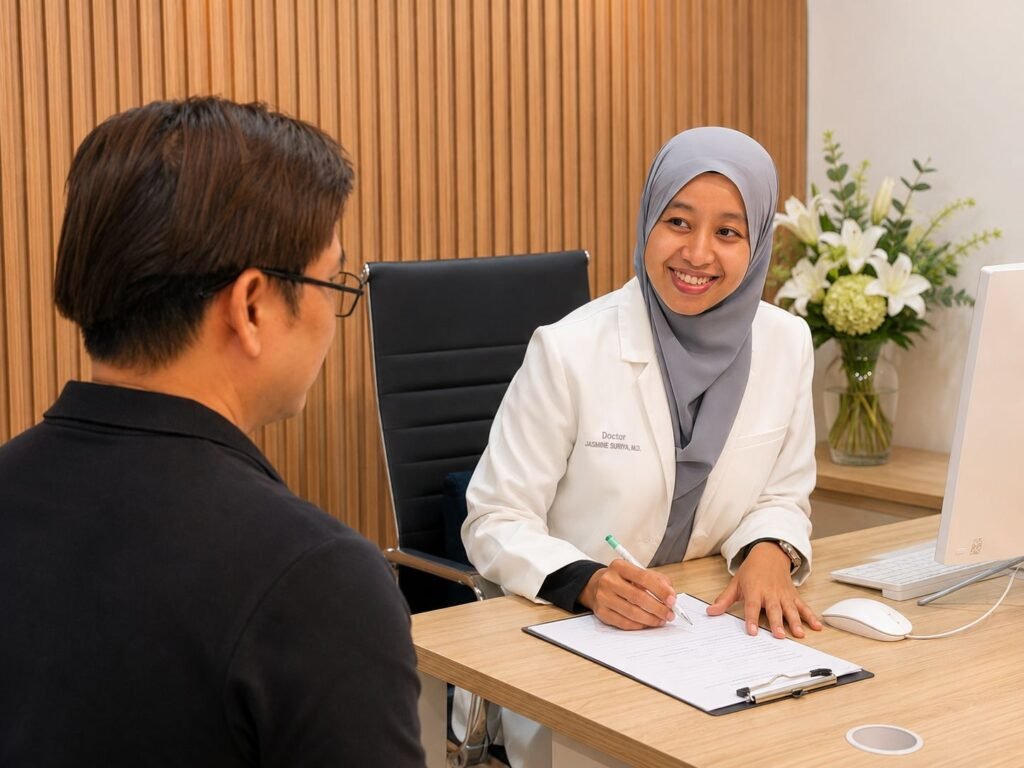
If symptoms are concerning but you are stable, our GP consultation service can help assess hydration, review your medical history and decide on the next step.
Do You Need Antibiotics?
Not everyone with diarrhea needs antibiotics. They do not treat viral infections, and many mild episodes settle with supportive care. We consider how ill you are, fever or blood in the stool, medical risks and the likelihood of a treatable bacterial infection.
Antibiotic choice also depends on resistance patterns, allergies, pregnancy and other medicines. Avoid using leftover antibiotics or copying another traveler’s prescription. Unnecessary treatment can cause side effects and contribute to antibiotic resistance.
The CDC Yellow Book guidance on traveler’s diarrhea recommends matching treatment to illness severity. A doctor should decide whether an antibiotic or another targeted treatment is appropriate for you.
Diarrhea Treatment at Our Phuket Clinic
Our approach starts with assessment, followed by a plan based on your symptoms and hydration needs. We explain which treatments are appropriate and whether further investigation or hospital care is needed.
Walk-in assessment
Our Walk-In Clinic in Phuket assesses diarrhea, vomiting, abdominal discomfort and suspected food poisoning. Tell us when symptoms began, how often you are passing stools, whether you can drink and any medicines you have already taken.
Stool tests when indicated
Testing is not necessary for every short, mild episode. We may recommend stool examination for persistent symptoms, suspected infection or other clinical concerns. The tests selected depend on your history and the organisms being considered; no single test detects every cause.
IV rehydration when oral fluids are insufficient
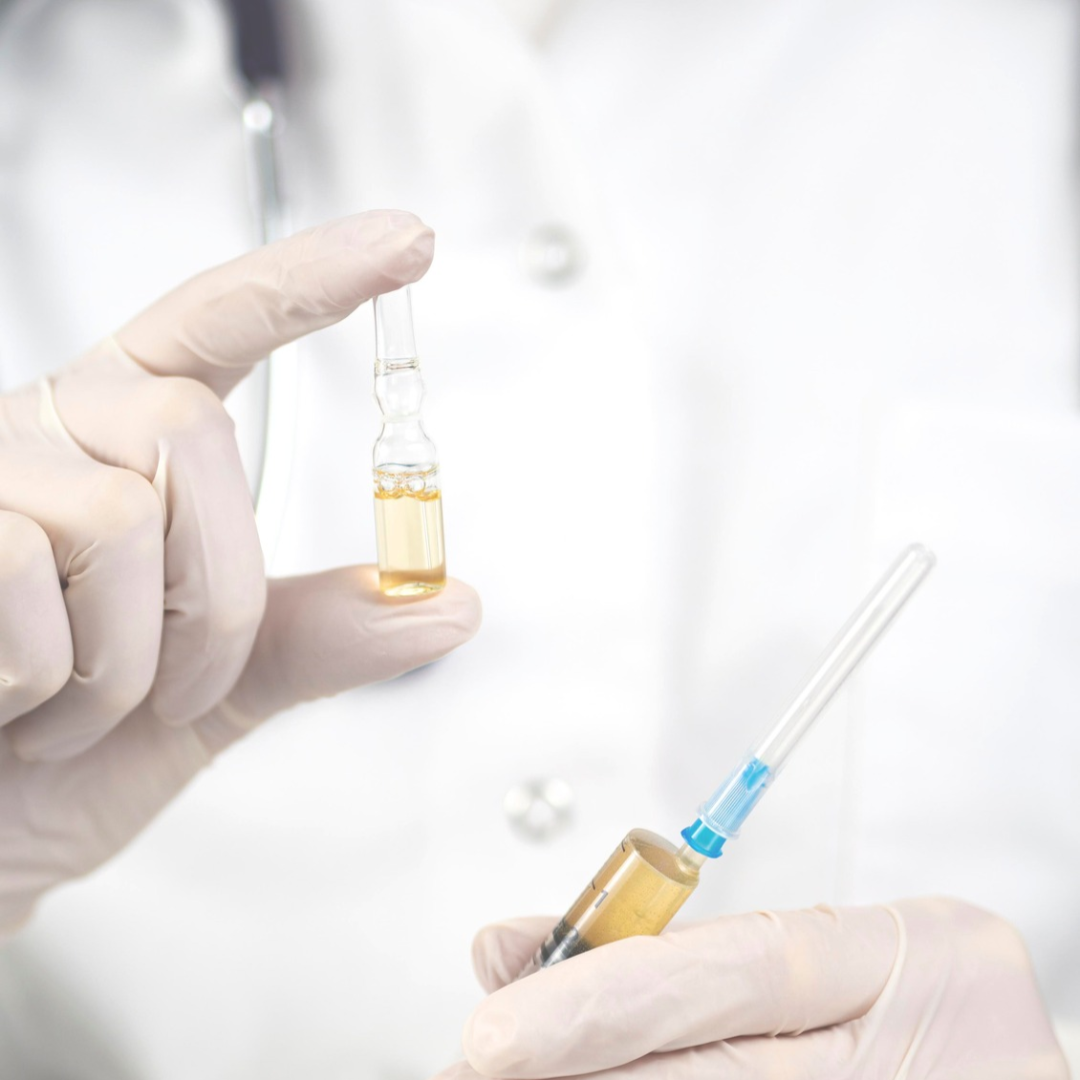
We may recommend IV rehydration support if examination shows that you need it, such as when vomiting prevents adequate oral intake. Fluids are chosen for your clinical needs and administered under supervision. A vitamin drip is not a routine cure for diarrhea, and severe dehydration may require hospital treatment.
House and hotel calls
If travelling to the clinic is difficult, contact us about our House & Hotel Call service. Visits depend on availability, location and medical suitability. Tell our team about warning signs when you enquire so we can advise on an appropriate care setting.
How to Prevent Diarrhea While Travelling in Thailand
You cannot remove every risk, but consistent food, water and hand hygiene can reduce exposure. Use the CDC’s food and water precautions as a practical starting point.
- Choose sealed bottled water or appropriately treated water, including for mixing ORS.
- Eat thoroughly cooked food while it is hot. Avoid raw seafood and food left unrefrigerated.
- Peel fruit yourself and be cautious with raw salads washed in uncertain water.
- Wash hands with soap and water before eating and after using the toilet.
- Check the source of ice, and avoid swallowing pool or seawater.
If you become unwell, avoid preparing food for others. The NHS recommends waiting at least 48 hours after the last episode of diarrhea or vomiting before returning to work or school; apply the same caution around shared holiday activities.
For help with diarrhea in Phuket, contact our team or visit our clinic. We can assess your symptoms, discuss treatment options and help you decide what care you need.