

Thinking about peptide therapy for better energy, recovery or healthy aging? Before choosing a treatment, it helps to understand what peptides can realistically do, which benefits are supported by research and what your care may cost.
At Phuket Family Health Care Center & Longevity Institute, we help you understand your options before making a treatment decision. In this guide, we explain what to consider when exploring peptide therapy in Phuket, from the evidence and safety to costs and follow-up care.
What Is Peptide Therapy?
Peptide therapy uses short chains of amino acids to influence how the body works, including hormone release and cell communication. Some peptide medicines treat specific medical conditions. Others, particularly those promoted for longevity and recovery, are still experimental. Their benefits and risks depend on the exact product and how it is used.
Think of some peptides as messengers that tell cells to respond in a particular way. However, “peptide therapy” is a broad term. Two products can work very differently, even when both are advertised for the same goal.
How Does Peptide Therapy Work?
Many peptides attach to receptors on cells, rather like a key fitting a lock. This can trigger a response, such as releasing a hormone or changing how cells function.
For example, tesamorelin stimulates growth hormone release. Elamipretide acts on mitochondria, the structures that help cells produce energy. Each has a specific medical use; neither should be assumed to improve health in everyone.
Peptide Therapy Benefits: What the Evidence Says

People often explore peptide therapy for body composition, skin health, recovery or energy. The evidence varies considerably, so it helps to separate approved medical uses from benefits still being studied.
Benefits supported for specific medical conditions
Tesamorelin is approved in the US to reduce excess abdominal fat in adults with HIV-associated lipodystrophy, a condition involving abnormal fat distribution. It is not approved for general weight loss.
Elamipretide, also called SS-31, received accelerated US approval in 2025 to improve muscle strength in people with Barth syndrome who weigh at least 30 kg. Barth syndrome is a rare mitochondrial disease. A further trial is required to confirm clinical benefit.
These approvals apply to particular medicines and conditions. They do not establish benefits for ordinary belly fat, everyday tiredness or general anti-ageing.
Benefits still being researched
Claims about faster injury recovery, improved gut health, muscle growth and longer life need more caution. Many peptides marketed for these goals have limited human evidence and uncertain long-term safety.
Examples include BPC-157, CJC-1295, ipamorelin, MOTS-c and FOXO4-DRI. Early findings can be promising without showing that a treatment is effective or safe for routine use.
If you are weighing the benefits of peptide injections, ask: “Has this exact product been shown to help people with my condition?” Evidence from animal studies or a different formulation cannot answer that question.
Common Peptides Used in Longevity Medicine

Our peptide therapy programmes include the following examples. Speak with our medical team to confirm current availability and discuss suitability. Each product’s regulatory status and evidence need to be considered separately.
- Tesamorelin : Supports abdominal fat reduction and body composition in people with HIV-associated lipodystrophy.
- SS-31 (elamipretide) : Focuses on mitochondrial function and cellular energy. It is used to improve muscle strength in people with Barth syndrome.
- CJC-1295 with ipamorelin : Supports growth hormone signalling, which is associated with recovery and body composition. CJC-1295 has been shown to increase GH and IGF-1 levels in adults.
- BPC-157: Focuses on recovery support and gut health
- GHK-Cu : Focuses on skin health and tissue support.
- MOTS-c and AOD-9604: Focus on metabolic support and body composition.
- FOXO4-DRI : Focuses on cellular health and healthy-aging research.
We use this discussion to explore your goals and the available evidence. Another treatment, further assessment or no peptide therapy may be the more appropriate next step.
Are Peptides Safe? Side Effects and Who Should Avoid Them
Safety depends on the peptide, its quality, how it is given and your health history. A substance being “natural” does not make it risk-free. Medical supervision helps assess risk, but it cannot remove the uncertainty around experimental products.
Possible side effects
Depending on the medicine, side effects may include:
- Pain, redness or itching where an injection is given.
- Allergic reactions.
- Fluid retention, joint symptoms or changes in blood sugar with some growth hormone-related medicines.
Who should be especially cautious?
Tell us if you are pregnant, breastfeeding or trying to conceive, or if you have cancer, diabetes, pituitary disease, or significant heart, kidney or liver disease. Please also share all medicines and supplements you take.
Restrictions vary by product. Tesamorelin, for example, must not be used during pregnancy or by people with active cancer, certain pituitary-related conditions or an allergy to its ingredients.
Before starting, ask us which symptoms to report and how to contact our team. Breathing difficulty, throat swelling or collapse after treatment requires urgent medical attention.
Clinic-Supervised vs Online “Research” Peptides in Thailand
Buying a vial online is not the same as receiving assessed medical care. Products labelled “research use only” or “not for human consumption” should not be treated as medicines for self-injection.
A seller’s purity certificate does not prove that a product is sterile, correctly concentrated or effective. In September 2026, the Thai FDA reported action against online injectable peptide products without drug registration numbers.
When you speak with us about peptide therapy in Thailand, ask about:
- The exact product, manufacturer and regulatory status.
- Why it is being considered for your condition.
- The expected benefits, uncertainties and alternatives.
- How side effects and follow-up will be managed.
A clinic setting alone does not prove that every treatment offered is approved or effective. Clear answers about the actual product matter.
How Is Peptide Therapy Administered and How Long Does It Take?
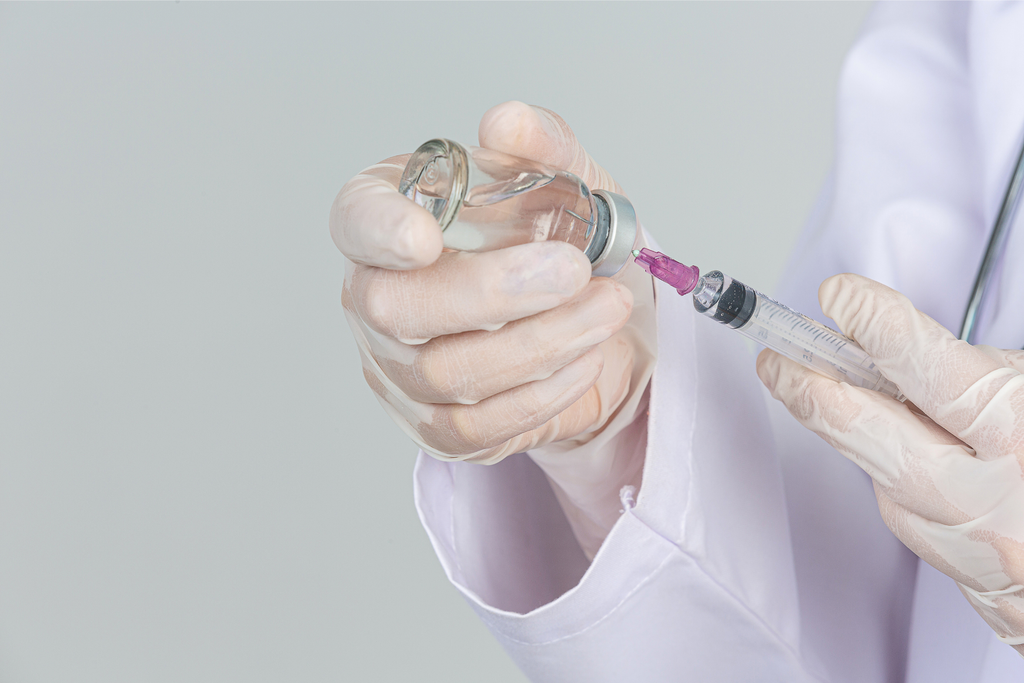
Injectable peptides are preparations given by injection. Some medicines are injected under the skin, while other products use different routes. The formulation determines how a product can be used safely.
Our peptide therapy service describes injectable, intravenous, oral, nasal and topical options. These are not interchangeable, and not every peptide is suitable for every route. We can discuss the proposed formulation and the evidence behind its use.
There is no standard course for all peptide treatments. During your consultation, we can discuss three separate timelines: how long assessment takes, how often treatment is given and when progress should be reviewed.
Discuss a clear goal and review date with us before starting. If you are visiting Phuket, let us know when you plan to leave so we can discuss follow-up and any storage or travel requirements. Your treatment plan should reflect your medical needs as well as your travel arrangements.
Peptide Therapy Cost in Phuket, Thailand
Peptide therapy cost depends on the medicine, amount supplied, treatment duration and monitoring required. For pricing at our clinic, contact us for an individual quotation based on the proposed assessment and treatment plan.
To understand the full cost of peptide therapy, ask us whether your quotation includes:
- Doctor consultation and assessment.
- Blood tests, where needed.
- The named medicine and quantity supplied.
- Administration fees, supplies or training.
- Follow-up appointments and repeat testing.
Compare the total peptide treatment cost over the same period, rather than the price of one vial. Ask about additional charges and what happens if treatment is not recommended or needs to stop.
Your First Consultation in Phuket: Assessment and Lab Testing

During your first consultation, we start with what you want help with, such as persistent tiredness, changes in body composition or slow recovery. These symptoms can have several causes, so we consider whether further assessment or a different approach is needed.
Bring your medication list, relevant medical records and recent blood test results to your consultation. If you have already used peptides, tell us the product name and any symptoms you experienced.
We may recommend blood tests based on your symptoms and the treatment being considered. These could include blood sugar, kidney or liver function, or specific hormones. Tesamorelin requires particular attention to glucose and IGF-1, a growth-related hormone marker.
Before you decide, ask us to clarify the proposed treatment, its evidence and risks, the full cost and how follow-up would work. We want you to have time to consider alternatives and feel comfortable declining treatment.
Considering peptide therapy in Phuket? At Phuket Family Health Care Center & Longevity Institute, we welcome your questions about our peptide therapy service. Contact our team to discuss your goals and arrange a consultation to explore whether treatment is appropriate for you.
Sources
US FDA — Tesamorelin prescribing information
US FDA — Elamipretide approval for Barth syndrome
US FDA — Safety concerns with selected compounded peptides
US FDA — CJC-1295 safety and evidence review
Cell — Preclinical research on FOXO4-DRI
Thai FDA — Notice on unregistered online injectable peptide products